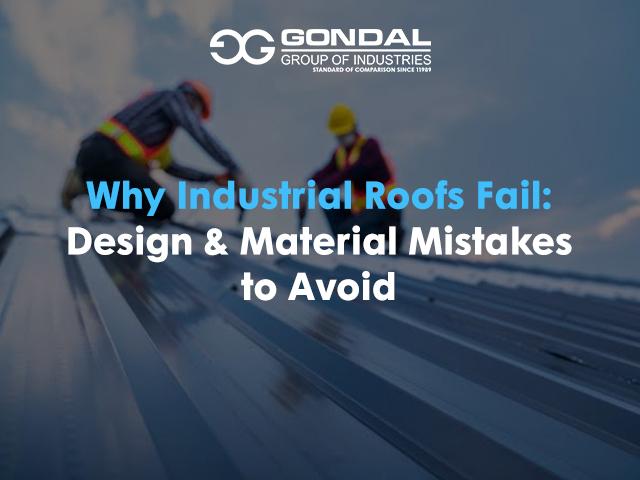

An industrial roof is one of the most critical components of any factory, warehouse, or commercial facility. It protects valuable equipment, inventory, and employees from the elements while contributing to the building's structural integrity and energy efficiency. However, many industrial roofing systems begin to fail long before their expected lifespan—not because of age, but due to avoidable design flaws, poor material choices, and improper installation.
For businesses in Pakistan, where roofs must withstand intense heat, heavy monsoon rains, dust, and industrial pollutants, understanding the common causes of roof failure can help reduce maintenance costs, prevent operational disruptions, and extend the life of the building.
Poor Roofing Material Selection
One of the leading reasons industrial roofs fail is the use of materials that are not suited to the building's operating environment.
For example, conventional metal roofing may perform adequately in some applications but can become vulnerable to corrosion in facilities exposed to humidity, chemicals, or coastal conditions. Similarly, roofing materials with poor thermal performance may absorb excessive heat, increasing indoor temperatures and placing additional strain on cooling systems.
When selecting a roofing system, builders should consider factors such as corrosion resistance, UV stability, thermal insulation, impact resistance, and expected maintenance requirements rather than focusing solely on the initial purchase price.
Inadequate Roof Design
Even high-quality roofing materials cannot compensate for poor design.
Industrial roofs must be designed to handle structural loads, wind uplift, rainfall, thermal movement, and future maintenance access. Common design mistakes include insufficient roof slope, inadequate support spacing, and poor detailing around roof penetrations.
Flat or poorly sloped roofs often allow water to collect after heavy rainfall, increasing the risk of leaks and structural deterioration. Proper roof geometry is essential to ensure efficient drainage and long-term performance.
Insufficient Drainage Systems
Water is one of the biggest threats to any roofing system.
Undersized gutters, blocked drainage outlets, or poorly positioned downpipes can cause rainwater to accumulate on the roof surface. Standing water places additional stress on roofing materials and creates opportunities for leaks to develop around joints and fasteners.
A well-designed drainage system should be capable of handling peak rainfall during Pakistan's monsoon season while directing water safely away from the building and its foundation.
Ignoring Thermal Expansion and Contraction
Industrial roofs are constantly exposed to changing temperatures. As roofing materials heat up during the day and cool down at night, they naturally expand and contract.
If this movement is not considered during design and installation, excessive stress can develop around fasteners, joints, and connection points. Over time, this may lead to cracking, loose fixings, or water infiltration.
Allowing for thermal movement through appropriate fastening methods and expansion detailing is essential for maintaining roof performance over the long term.
Poor Installation Practices
A quality roofing product can still fail if it is installed incorrectly.
Common installation mistakes include improper fastener placement, inadequate sealing around roof penetrations, incorrect sheet overlaps, and failure to follow manufacturer recommendations. These issues may not be immediately visible but often become apparent during heavy rain or strong winds.
Working with experienced installation teams and following approved construction practices significantly reduces the likelihood of premature roof failure.
Overlooking Ventilation Requirements
Many industrial buildings generate significant internal heat and moisture during daily operations.
Without proper ventilation, warm, humid air can become trapped beneath the roof, leading to condensation, corrosion, and reduced insulation performance. Excess moisture may also affect stored goods, machinery, and indoor air quality.
Incorporating roof vents, ridge ventilation, or other airflow solutions helps maintain a healthier building environment while protecting the roofing system from moisture-related damage.
Choosing Low-Quality Materials to Reduce Costs
Budget constraints sometimes encourage developers to choose lower-cost roofing materials that may not meet the long-term demands of industrial applications.
While this approach can reduce initial construction costs, it often leads to higher maintenance expenses, more frequent repairs, and earlier replacement. Investing in durable, high-performance materials usually delivers better value throughout the building's lifecycle.
Evaluating roofing systems based on lifecycle cost rather than purchase price alone helps achieve more sustainable and cost-effective outcomes.
Delaying Routine Maintenance
Even the most durable industrial roofing systems require periodic inspections and maintenance.
Small issues such as loose fasteners, damaged flashings, blocked gutters, or worn sealants can quickly develop into significant problems if left unaddressed. Preventive maintenance allows facility managers to identify and resolve defects before they lead to leaks or structural damage.
Regular inspections are particularly important before and after the monsoon season, when roofs experience the greatest environmental stress.
Failing to Plan for Future Building Needs
Industrial facilities often evolve. New equipment, solar panels, ventilation systems, or utility installations may require additional roof penetrations or structural modifications.
If future expansion is not considered during the initial design phase, later modifications can compromise roof performance or create new leak points. Designing with flexibility in mind helps preserve the integrity of the roofing system as operational requirements change.
Building a Roof That Lasts
A reliable industrial roof is the result of careful planning, quality materials, skilled installation, and ongoing maintenance. Avoiding common design and material mistakes not only extends the lifespan of the roof but also protects valuable assets, improves energy efficiency, and reduces long-term operating costs.
For industrial projects across Pakistan, selecting roofing systems that are appropriate for local climate conditions and working with experienced manufacturers can make a significant difference in overall building performance.
Conclusion
Industrial roof failures are rarely caused by a single issue. More often, they result from a combination of poor design decisions, unsuitable materials, inadequate drainage, installation errors, and neglected maintenance. By addressing these factors early in the project, builders and facility owners can create roofing systems that deliver reliable performance for decades.