
Selecting the right roofing material is only part of the decision when planning an industrial or commercial building. The thickness of a uPVC roofing sheet also plays a significant role in determining its strength, durability, insulation performance, and long-term value. Choosing a sheet that is too thin for the application may lead to unnecessary maintenance, while selecting a thicker sheet than required can increase project costs without delivering additional benefits.
Whether you're constructing a factory, warehouse, agricultural building, logistics centre, or commercial facility, understanding how roofing sheet thickness affects performance will help you make a more informed decision.
Why Roofing Sheet Thickness Matters
The thickness of a uPVC roofing sheet influences much more than its appearance. It affects how well the roof performs under different environmental and operational conditions.
A properly specified roofing sheet can provide:
- Better structural strength
- Improved impact resistance
- Greater durability
- Enhanced thermal insulation
- Longer service life
- Reduced maintenance requirements
However, thickness should always be selected alongside other considerations such as roof design, purlin spacing, wind loads, and the intended use of the building.
Common uPVC Roofing Sheet Thickness Options
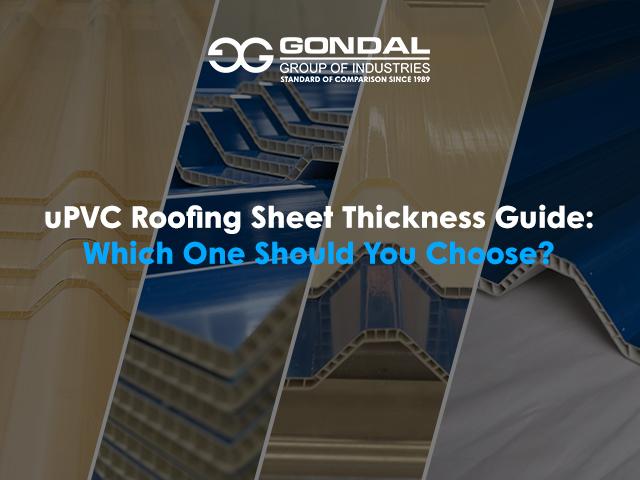
Manufacturers typically offer uPVC roofing sheets in a range of thicknesses to suit different applications. While exact specifications vary by product and manufacturer, industrial projects commonly use sheets ranging from approximately 2 mm to 3 mm or more.
Rather than assuming the thickest option is always the best, builders should choose a product that matches the building's structural and environmental requirements.
Consulting with an experienced manufacturer ensures the selected roofing system meets the project's performance expectations.
When Thinner Roofing Sheets Are Suitable
Thinner uPVC roofing sheets are often used for buildings that experience relatively light structural demands.
These may include:
- Small storage buildings
- Agricultural shelters
- Covered walkways
- Utility structures
- Low-traffic commercial facilities
When installed correctly with appropriate support spacing, thinner sheets can provide reliable performance while helping reduce overall project costs.
However, they may not be the ideal choice for large-span industrial buildings or facilities exposed to heavy environmental loads.
When Medium Thickness Offers the Best Balance
For many industrial and commercial applications, medium-thickness uPVC roofing sheets provide an excellent balance between strength, durability, and cost.
They are commonly selected for:
- Warehouses
- Manufacturing facilities
- Commercial buildings
- Distribution centres
- Workshops
These roofing systems are designed to withstand Pakistan's challenging climate while maintaining good structural performance and thermal efficiency.
For many projects, this category delivers the best overall value.
When Thicker Roofing Sheets Are Recommended
Thicker uPVC roofing sheets are typically specified for buildings operating under demanding conditions.
These include facilities exposed to:
- High wind loads
- Heavy rainfall
- Industrial chemicals
- Elevated temperatures
- Large roof spans
- Continuous operational use
The additional material can improve rigidity, impact resistance, and long-term durability, making thicker sheets well suited for factories, processing plants, and heavy industrial facilities.
Rather than viewing thicker sheets as simply "stronger," they should be considered part of an engineered roofing solution designed for specific project requirements.
Thickness Is Only One Part of Performance
One of the most common misconceptions is that roofing sheet thickness alone determines quality.
In reality, several factors work together to influence roofing performance, including:
- Material formulation
- UV resistance
- Manufacturing quality
- Structural design
- Installation methods
- Fastening systems
- Ventilation and drainage
A well-manufactured medium-thickness sheet installed correctly will often outperform a thicker product that has been poorly installed or manufactured using inferior materials.
Climate Should Influence Your Decision
Pakistan's climate presents unique challenges for roofing systems.
Industrial buildings may experience extreme summer temperatures, seasonal monsoon rainfall, humidity, dust, and, in some regions, exposure to corrosive industrial environments.
For these conditions, builders should prioritise roofing systems that combine appropriate thickness with excellent UV stability, corrosion resistance, and thermal insulation. Selecting the right combination helps improve building performance while reducing maintenance over the roof's lifespan.
Consider Long-Term Value Instead of Initial Cost
Choosing the least expensive roofing sheet may reduce upfront spending, but it can increase repair and replacement costs later.
A roofing system should be evaluated based on its total lifecycle value, including:
- Expected service life
- Maintenance requirements
- Energy efficiency
- Structural reliability
- Resistance to corrosion and weathering
Investing in the appropriate sheet thickness for the building's intended use often results in lower operating costs over time.
Seek Expert Guidance Before Making a Decision
Every industrial building has different structural requirements.
Roof span, building height, local weather conditions, production activities, and loading requirements all influence the most suitable roofing specification. Working with an experienced roofing manufacturer allows builders to select the right sheet thickness without overengineering or compromising performance.
Professional guidance also helps ensure compatibility between roofing sheets, support structures, fasteners, and installation methods.
Conclusion
Choosing the right uPVC roofing sheet thickness is about finding the best balance between structural performance, durability, and cost. While thicker sheets provide additional strength for demanding industrial environments, medium and lighter options can be equally effective when matched to the correct application.
Rather than selecting a roofing product based solely on thickness, builders should evaluate the complete roofing system, including material quality, installation practices, and environmental conditions. With industry expertise and advanced manufacturing capabilities, Gondal Group of Industries provides uPVC roofing solutions designed to meet the diverse needs of industrial, commercial, and agricultural construction projects across Pakistan.