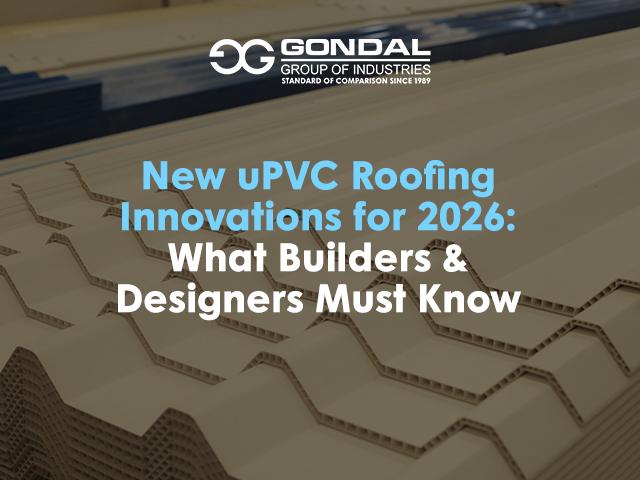

The construction industry is continuously evolving, with manufacturers developing advanced materials that improve durability, efficiency, and sustainability. Among these innovations, uPVC roofing has emerged as one of the most reliable solutions for industrial, commercial, and agricultural buildings. As we move through 2026, new developments in uPVC roofing technology are helping builders and designers achieve better performance while reducing maintenance and operational costs.
For construction professionals in Pakistan, staying updated on these innovations is essential for delivering modern, cost-effective, and future-ready projects.
Why uPVC Roofing Continues to Gain Popularity
uPVC roofing has become a preferred alternative to traditional materials because of its resistance to corrosion, moisture, and harsh environmental conditions. Unlike conventional metal roofing, uPVC does not rust, making it particularly suitable for industrial facilities, chemical plants, warehouses, and coastal environments.
Its lightweight nature, durability, and low maintenance requirements have already made it a valuable construction material. Recent innovations are further enhancing these benefits.
Advanced UV Resistance Technology
One of the most significant improvements in modern uPVC roofing systems is enhanced UV protection.
Pakistan experiences intense sunlight throughout much of the year, and prolonged UV exposure can degrade many roofing materials. New-generation uPVC roofing sheets are manufactured with advanced UV-resistant layers that help maintain structural integrity and appearance for longer periods.
This improved resistance reduces aging, discoloration, and material degradation, extending the overall lifespan of roofing systems.
Improved Thermal Insulation Performance
Energy efficiency remains a major focus in modern building design. New uPVC roofing technologies are incorporating improved thermal insulation properties that help reduce heat transfer into buildings.
For factories, warehouses, and commercial facilities, this means lower indoor temperatures and reduced reliance on cooling systems. Improved thermal performance contributes to energy savings and creates a more comfortable environment for workers and stored products.
As energy costs continue to rise, better insulation is becoming an increasingly valuable feature in roofing solutions.
Multi-Layer Roofing Sheet Technology
Modern uPVC roofing sheets are now being produced using advanced multi-layer manufacturing techniques.
These multi-layer systems combine different protective and structural layers into a single roofing panel. Each layer serves a specific purpose, such as UV protection, impact resistance, thermal insulation, or chemical resistance.
This innovation improves overall roofing performance while maintaining the lightweight advantages of uPVC materials.
Enhanced Chemical and Corrosion Resistance
Industrial facilities often expose roofing systems to chemicals, moisture, and airborne contaminants. Traditional roofing materials may deteriorate under these conditions, leading to increased maintenance costs.
New uPVC roofing products feature enhanced resistance to chemical exposure and corrosive environments. This makes them ideal for industries such as manufacturing, food processing, fertilizer production, and chemical storage facilities.
The improved durability helps reduce repair requirements and extends the service life of industrial buildings.
Stronger Impact Resistance
Another important innovation in 2026 is improved impact resistance.
Modern uPVC roofing sheets are engineered to withstand greater physical stress from environmental factors such as hail, debris, and heavy rainfall. Enhanced material formulations provide better structural strength without increasing weight.
This makes roofing systems more reliable in regions that experience challenging weather conditions and reduces the likelihood of damage during operation.
Smart Roofing Integration
The construction industry is increasingly adopting smart building technologies, and roofing systems are becoming part of this trend.
Modern roofing designs are being developed with compatibility for solar panel installations, rainwater harvesting systems, and energy-efficient building technologies. uPVC roofing provides a stable and lightweight platform for integrating these solutions.
As smart and sustainable buildings become more common, roofing materials that support these technologies will continue to gain importance.
Sustainability and Recyclability Improvements
Environmental responsibility is a growing priority for builders and developers. Manufacturers are responding by improving the sustainability profile of uPVC roofing products.
Many modern uPVC sheets now contain recyclable components and are produced using more efficient manufacturing processes. These improvements help reduce environmental impact while supporting sustainable construction practices.
Combined with their long lifespan and low maintenance requirements, these advancements strengthen the role of uPVC in green building projects.
Better Aesthetic and Design Options
Today's construction projects demand both performance and visual appeal. New uPVC roofing solutions are available in a wider range of profiles, finishes, and colors to suit different architectural styles.
This flexibility allows designers to achieve modern aesthetics without sacrificing durability or functionality. Industrial and commercial buildings can now benefit from roofing systems that are both practical and visually appealing.
The Future of Roofing in Pakistan
As construction standards continue to evolve, builders are seeking materials that offer durability, energy efficiency, and long-term value. The latest innovations in uPVC roofing address these needs by delivering improved performance across multiple areas, including thermal insulation, UV protection, sustainability, and structural strength.
For industrial and commercial projects in Pakistan, these advancements provide an opportunity to build smarter, reduce maintenance costs, and improve overall building efficiency.
Conclusion
uPVC roofing technology is advancing rapidly in 2026, offering builders and designers more benefits than ever before. Innovations such as enhanced UV resistance, improved insulation, stronger impact performance, multi-layer construction, and greater sustainability are making uPVC roofing a leading choice for modern construction.
As demand grows for efficient and durable building materials, companies like Gondal Group of Industries continue to support the industry with advanced uPVC roofing solutions designed to meet the evolving needs of Pakistan’s construction sector.