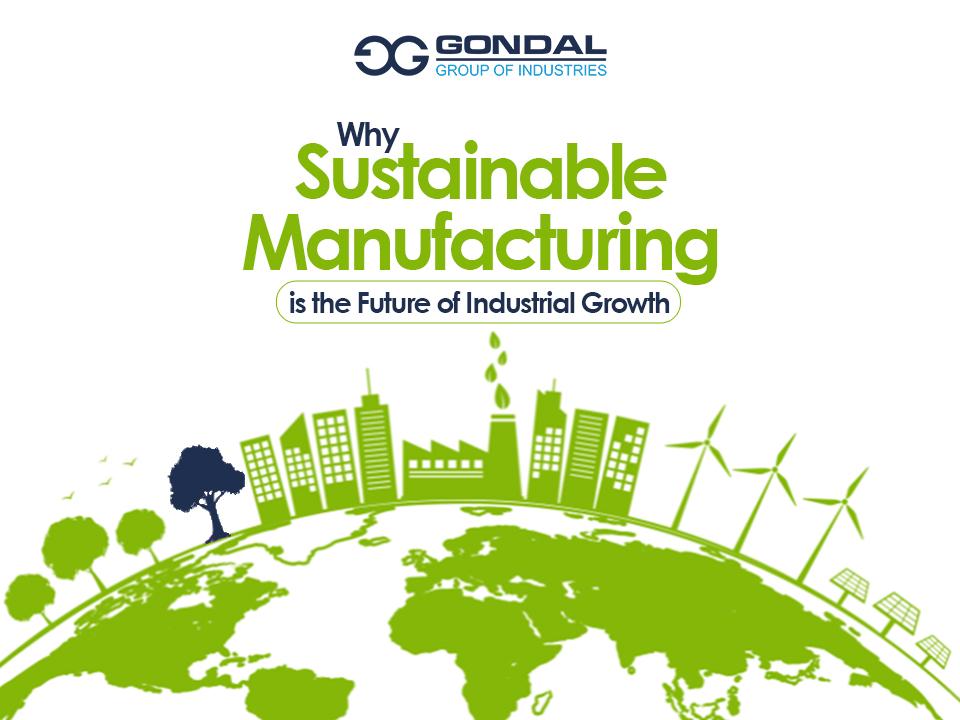

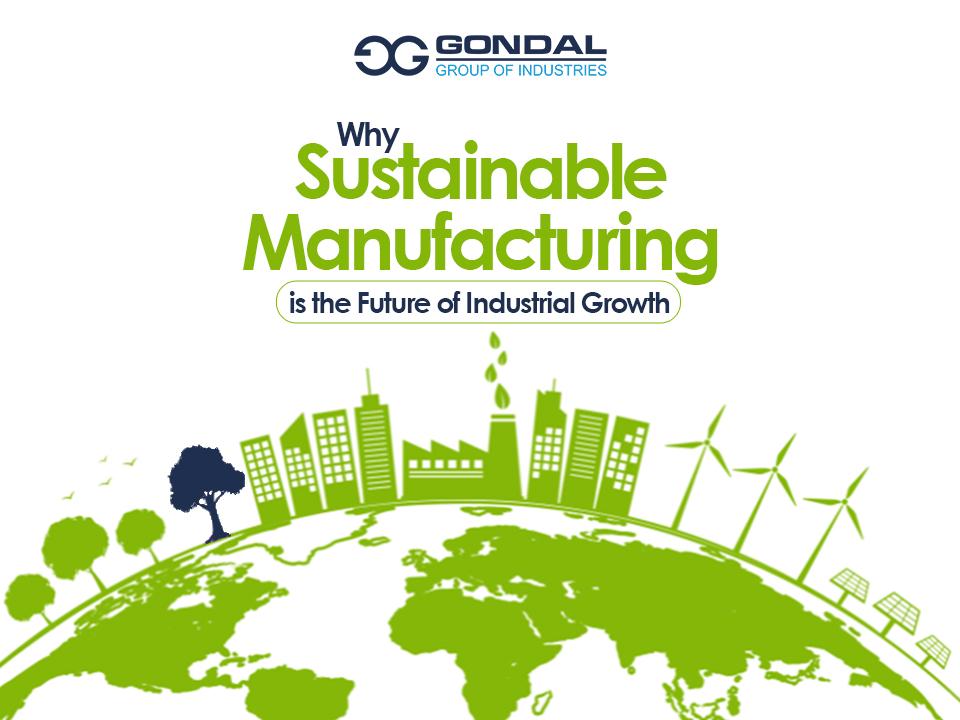
In a world where resource scarcity, climate change, and rising costs are no longer distant warnings but present realities, the way we manufacture products must evolve, and indeed, it is evolving. Sustainable manufacturing is not just a nice-to-have for forward-looking industrial enterprises; it is fast becoming the foundation of long-term growth, competitiveness, and resilience.
What Is Sustainable Manufacturing and Why It Matters
Sustainable manufacturing refers to producing goods through processes that minimize environmental harm, conserve energy and natural resources, reduce waste, and ensure safety and well-being for workers and communities.
At its core, sustainable manufacturing means rethinking the whole lifecycle: sourcing raw materials responsibly, optimizing resource and energy use during production, minimizing waste, and designing products such that at the end of life they can be reused, recycled or disposed of with minimal harm.
It also encompasses social responsibility: fair labor practices, worker safety, and ethical supply-chain transparency.
Why does this matter now more than ever? Global manufacturing, including energy, raw materials, water, emissions, and waste, accounts for a significant portion of global environmental impact.
That puts manufacturing firms in a unique position: small changes in their methods can make a big difference for both the planet and their own bottom-line.
From Cost to Competitiveness: The Business Case for Going Green
Sustainable manufacturing isn’t just a moral choice; it’s a powerful business strategy.
First, improved efficiency. By optimizing material use, reducing waste, improving energy consumption, and streamlining processes, companies frequently lower their operating costs on energy, raw materials, water, waste disposal, and maintenance.
Second, stability and resilience. Resource-efficient operations are less vulnerable to supply-chain disruptions, volatile raw-material prices, or regulatory changes. By reducing reliance on non-renewable energy and raw-material intensity, a plant becomes more agile and less prone to external shocks.
Third, brand value and market edge. As global consumers and clients both B2C and B2B increasingly prioritize environmentally and socially responsible sourcing, companies that produce sustainably gain a genuine competitive advantage. Sustainability becomes a mark of quality and responsibility, helping to build customer loyalty and to win bids in environmentally conscious supply chains.
Fourth, regulatory and compliance benefits. Around the world, governments and regulators are tightening environmental rules. Manufacturing firms that adopt sustainable practices in advance can avoid potential fines or forced shutdowns, positioning themselves for smooth long-term operation.
Finally, appeal to talent and investors. Today’s workforce, especially younger generations, often want to work for purpose-driven companies. Sustainable practices attract and help retain skilled workers. In addition, as environmental, social and governance (ESG) factors become central in investment decisions, sustainability improves access to capital and long-term valuation.
Innovation, Modern Tech and the Path Forward
Sustainable manufacturing is not about reverting to primitive or low-output production; rather, it often goes hand-in-hand with innovation, modern technology and even increased output but in smarter, cleaner ways.
For example, many sustainable manufacturing strategies involve integrating advanced technologies, automation, smart sensors, digital-twin simulations, IoT energy monitoring to optimize energy and resource use.
By using these tools, factories can closely monitor, measure and adjust processes to minimize waste, reduce energy consumption, anticipate maintenance needs, and adapt dynamically to demand. Over time, that boosts productivity while keeping environmental impacts low a win-win for business and planet alike.
Moreover, embracing sustainability pushes firms to think long-term: consider product lifecycles, recyclability, efficient materials, and supply-chain ethics. That mindset encourages innovation not only in engineering, but in business models, materials sourcing, logistics, and corporate governance.
A Strategic Imperative for Emerging-Market Manufacturers
For industrial firms operating in emerging economies like those in South Asia, South-East Asia, Africa or the Middle East, sustainable manufacturing is especially strategic. These firms often face resource constraints (water, energy), increasing regulatory pressure, and exposure to global supply-chain demands for sustainable and socially responsible sourcing.
By transitioning early to sustainable practices, such firms can:
-
Preempt regulatory or compliance burdens, saving costs and avoiding disruptions
-
Differentiate themselves in global supply chains, especially with export markets increasingly valuing sustainability
-
Reduce dependence on scarce or expensive resources (water, fossil fuels), improving resilience
-
Achieve long-term cost savings and stable operations, even as energy, raw-material, and waste-management costs rise
The Skeptical Perspective and Why It Still Makes Sense
Of course, the transition to sustainable manufacturing often involves upfront costs: upgrading equipment, training staff, redesigning processes, perhaps even rethinking materials sourcing or supply-chain partners. For many traditional manufacturing firms, that can seem like a heavy burden.
Yet, the long-term savings, improved resilience, risk mitigation, and market advantages often outweigh the initial expense. Moreover, with growing global and local demand for sustainable products, the return on investment can come through market access, premium pricing, and regulatory compliance.
Furthermore, as technology evolves and becomes cheaper (renewable energy, energy-efficient machinery, smart monitoring), the cost-benefit ratio will only get more favorable.
To remain competitive, especially in global markets, or as raw-material and energy prices continue to fluctuate, manufacturing businesses will eventually have to internalize sustainability as part of their core operations.
The Future Is Sustainable and Those Who Wait Risk Being Left Behind
Sustainable manufacturing is more than corporate virtue signaling. It is a robust, pragmatic, and strategic approach that aligns business growth with resource efficiency, environmental stewardship, regulatory compliance, and social responsibility.
For industrial manufacturers, whether in established economies or emerging markets, the incentives are powerful: lower costs, improved efficiency, stronger brand, more market opportunities, better resilience, and higher long-term viability.
Companies that treat sustainability not as a bolt-on afterthought, but as a core principle, integrating it across design, production, supply-chain, workforce, and governance, will be best positioned to thrive in the decades ahead.
In short, sustainability is not just a trend. It is the future of industrial growth. And the companies that embrace it now stand to gain the most.