
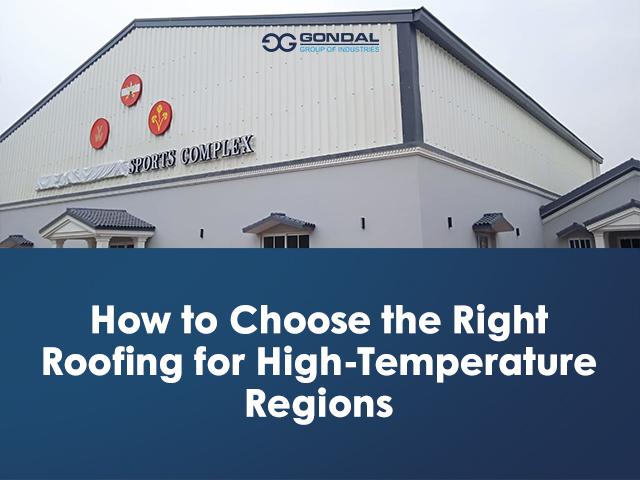
Selecting the right roofing material is critical for buildings located in high-temperature regions. Extreme heat can affect structural durability, indoor comfort, and long-term maintenance costs. In industrial and commercial construction, roofing systems must be designed to withstand prolonged sun exposure while maintaining efficiency and performance. Choosing appropriate roofing materials and design strategies helps ensure buildings remain functional, energy efficient, and durable in challenging climates.
Understanding the Impact of High Temperatures on Roofing
In hot climates, roofs are exposed to continuous solar radiation, which can significantly raise surface temperatures. Poorly selected roofing materials absorb heat and transfer it into the building interior, increasing indoor temperatures and forcing cooling systems to work harder. Over time, excessive heat can also cause material expansion, cracking, or premature degradation. Selecting materials specifically engineered to perform in high-temperature environments is therefore essential.
Prioritizing Heat Resistance and Reflectivity
One of the most important factors when choosing roofing for hot climates is heat resistance. Materials with high solar reflectivity reduce heat absorption and help maintain lower surface temperatures. Reflective roofing surfaces can significantly improve indoor comfort and reduce energy consumption. Roofing systems designed with heat-reflective coatings or naturally reflective materials perform better in environments with intense sunlight.
Considering Thermal Insulation Performance
Thermal insulation plays a major role in controlling heat transfer from the roof into the building interior. Roofing materials that provide effective insulation help stabilize indoor temperatures and reduce reliance on air conditioning systems. In industrial buildings, insulation also protects equipment and stored goods from excessive heat exposure. Selecting roofing solutions that combine structural strength with insulation properties improves long-term energy efficiency.
Evaluating Durability Under Harsh Weather Conditions
High-temperature regions often experience additional environmental challenges such as dust, UV radiation, and occasional heavy rainfall. Roofing materials must be capable of resisting UV degradation and maintaining structural integrity under fluctuating temperatures. Materials that resist corrosion, cracking, and fading are particularly suitable for industrial facilities where long-term reliability is critical.
Lightweight Materials for Structural Efficiency
Roofing systems in hot regions should also consider structural efficiency. Lightweight roofing materials place less stress on supporting frameworks and allow for faster installation. Reduced structural load simplifies building design while maintaining strength and stability. Lightweight systems are especially beneficial for large industrial structures where roof spans are extensive.
Ventilation and Roof Design Considerations
Proper roof design is just as important as the material itself. Ventilation systems help release trapped heat and prevent temperature buildup inside the building. Features such as ridge vents, airflow channels, and appropriate roof slopes improve air circulation and enhance cooling efficiency. Well-designed roofing structures contribute significantly to maintaining comfortable indoor environments.
Maintenance Requirements and Long-Term Performance
Roofs in high-temperature regions must be capable of maintaining performance with minimal maintenance. Materials that resist rust, corrosion, and environmental wear reduce the need for frequent repairs. Choosing durable roofing solutions helps minimize downtime and maintenance expenses for industrial and commercial facilities.
The Role of Modern Roofing Materials
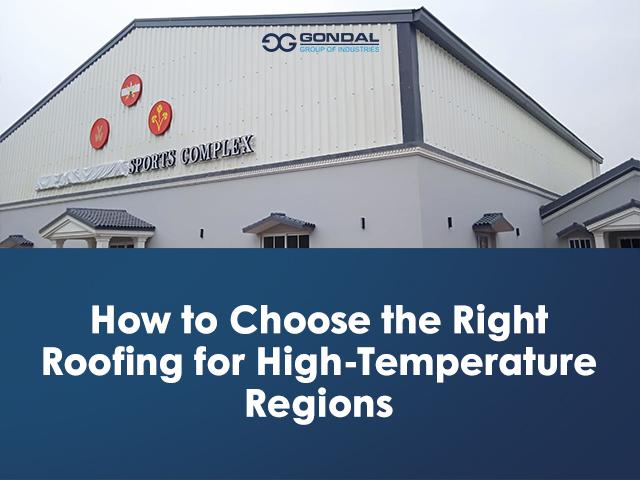
Modern construction increasingly favors advanced roofing materials that combine durability, heat resistance, and efficiency. Solutions such as engineered uPVC roofing sheets offer strong resistance to UV exposure, corrosion, and thermal expansion. Their ability to reflect heat and maintain structural stability makes them particularly suitable for industrial environments exposed to extreme temperatures.
Building for Long-Term Climate Performance
Choosing the right roofing for high-temperature regions requires careful evaluation of climate conditions, building requirements, and material performance. By focusing on heat resistance, insulation, durability, and proper design, builders can create roofing systems that support long-term efficiency and structural reliability. With advanced roofing solutions designed for demanding environments, Gondal Group of Industries helps deliver durable and energy-efficient roofing systems suited for modern industrial construction.