
Roof water damage is one of the most common and costly issues faced by factories and warehouses. In Pakistan, where monsoon rains, humidity, and dust can impact building performance, preventing water damage is essential for protecting inventory, machinery, and structural integrity. A proactive approach to roofing design, maintenance, and material selection can significantly reduce the risk of leaks and long-term damage.
Understanding the Causes of Roof Water Damage
Water damage typically occurs due to poor drainage, damaged roofing materials, or improper installation. Over time, exposure to rain, heat, and environmental pollutants can weaken roofing systems, leading to cracks, gaps, or corrosion. In industrial facilities, even minor leaks can escalate into major problems, affecting operations and increasing repair costs.
Choosing the Right Roofing Material
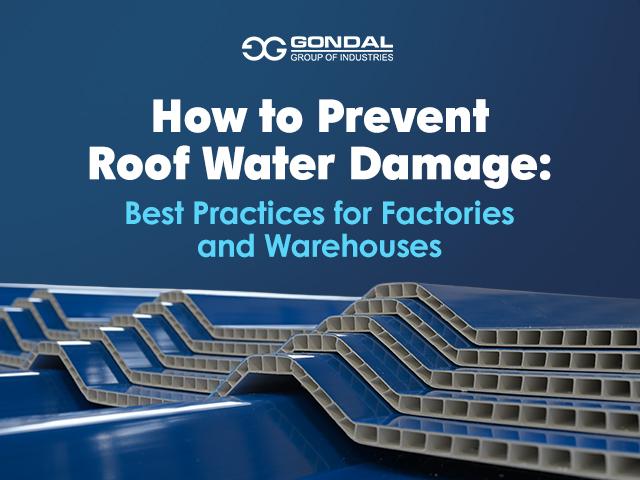
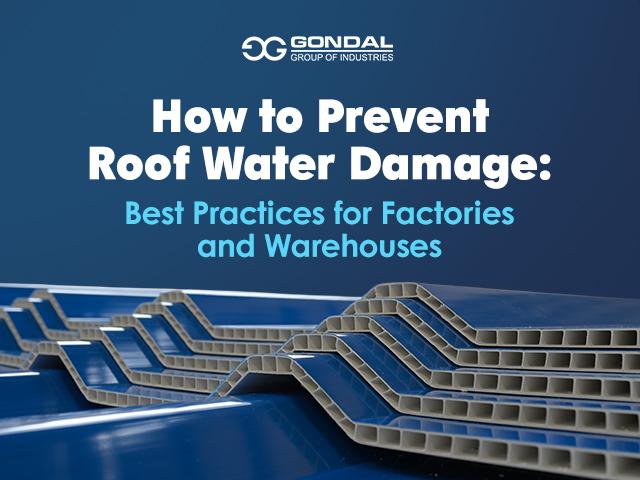
Selecting a durable and water-resistant roofing material is the first step in preventing water damage. Materials that resist corrosion, cracking, and moisture penetration perform better in challenging weather conditions. Modern solutions such as uPVC roofing sheets offer non-porous surfaces and strong resistance to water infiltration, making them suitable for factories and warehouses exposed to heavy rainfall.
Ensuring Proper Roof Slope and Drainage
Effective drainage is critical in preventing water accumulation on roofs. Flat or poorly sloped roofs can allow water to pool, increasing the risk of leakage and structural damage. Designing roofs with the correct slope ensures that rainwater flows efficiently toward drainage systems.
Installing adequate gutters and downspouts further improves water management by directing water away from the building structure. Regular cleaning of these systems prevents blockages caused by debris and dust.
Regular Inspection and Maintenance
Routine inspections are essential for identifying potential issues before they become serious problems. Checking for cracks, loose joints, damaged panels, and blocked drainage systems helps maintain the integrity of the roof.
Industrial facilities should establish a maintenance schedule, especially before and after the monsoon season. Timely repairs and preventive maintenance reduce the likelihood of unexpected leaks and costly downtime.
Sealing Joints and Connections
Roof joints, seams, and connection points are common areas where water can penetrate. Proper sealing using high-quality materials ensures that these vulnerable areas remain watertight.
In metal roofing systems, joints may loosen over time due to thermal expansion, increasing the risk of leaks. Advanced roofing systems with secure interlocking designs and sealed connections provide better protection against water ingress.
Installing Protective Coatings
Protective coatings can enhance the water resistance of roofing materials. Waterproof coatings create an additional barrier that prevents moisture from penetrating the surface. They also help protect against UV damage and environmental wear, extending the lifespan of the roof.
Applying coatings as part of regular maintenance can improve performance, especially in older roofing systems.
Managing Thermal Expansion and Contraction
Temperature fluctuations can cause roofing materials to expand and contract, leading to cracks or gaps over time. This is particularly common in metal roofs exposed to intense heat.
Choosing materials that accommodate thermal movement without damage helps maintain a watertight structure. Flexible and stable materials reduce the risk of joint failure and leakage.
Improving Roof Ventilation
Proper ventilation reduces moisture buildup within the roofing system. Trapped heat and humidity can weaken materials and contribute to condensation-related water damage.
Ventilation systems allow air to circulate, preventing moisture accumulation and maintaining a stable internal environment. This is especially important for warehouses storing sensitive goods.
Training Staff for Early Detection
In industrial environments, early detection of roof issues can prevent major damage. Training maintenance staff to identify warning signs such as water stains, damp areas, or unusual odors helps address problems quickly.
Prompt reporting and repair of minor issues ensure that they do not develop into larger structural concerns.
Building a Long-Term Protection Strategy
Preventing roof water damage requires a combination of proper material selection, effective design, and ongoing maintenance. By implementing best practices, factories and warehouses can protect their assets, reduce repair costs, and maintain uninterrupted operations.
Modern roofing solutions designed for durability and water resistance play a key role in achieving long-term performance. With reliable roofing systems and industry expertise, Gondal Group of Industries supports industrial facilities in maintaining strong, leak-resistant structures suited for Pakistan’s demanding conditions.