
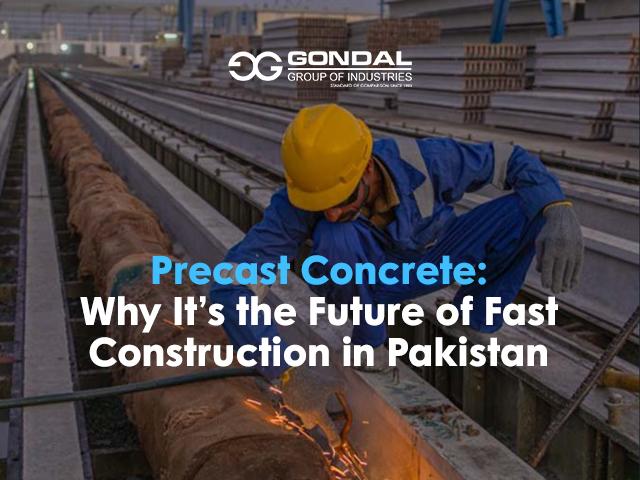
Pakistan’s construction industry is under increasing pressure to deliver projects faster without compromising quality or cost efficiency. Rapid urbanization, infrastructure development, and industrial expansion have created a demand for building methods that can meet tight deadlines while maintaining reliability. Precast concrete has emerged as a leading solution, offering speed, consistency, and long-term performance for modern construction projects.
What Is Precast Concrete?
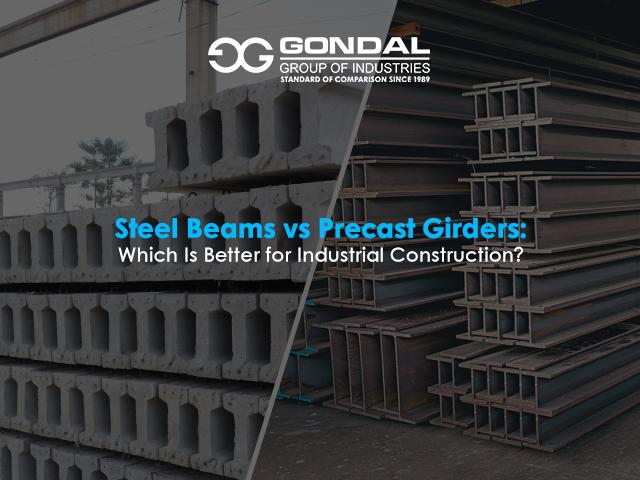
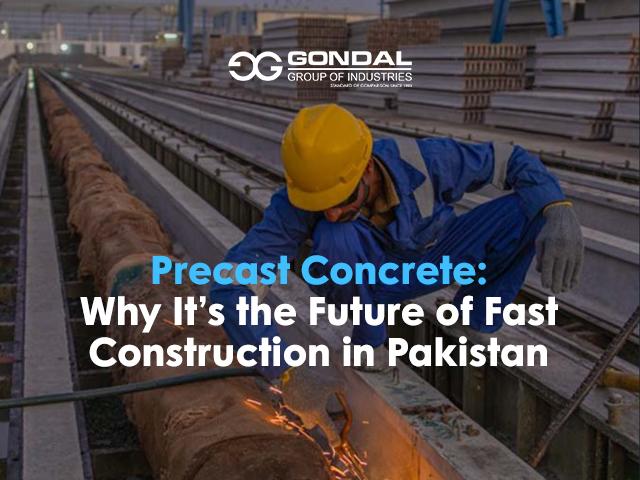
Precast concrete refers to structural components that are manufactured in a controlled factory environment and then transported to the construction site for installation. These components include beams, columns, slabs, walls, and boundary panels. Unlike traditional on-site concrete pouring, precast elements are produced under strict quality standards, ensuring uniform strength and precision.
This method shifts much of the construction process away from the site, allowing for better control over production and reducing dependence on external factors such as weather and labor availability.
Accelerating Construction Timelines
One of the biggest advantages of precast concrete is its ability to significantly reduce construction time. While site preparation and foundation work are underway, precast components can be manufactured simultaneously. This parallel workflow eliminates delays associated with formwork, curing, and sequential construction processes.
Once delivered to the site, the components are quickly assembled using cranes and specialized equipment. This allows projects to progress rapidly, making precast concrete an ideal choice for industrial, commercial, and infrastructure developments in Pakistan.
Consistent Quality and Precision
Quality is a critical factor in construction, and precast concrete offers a major advantage in this area. Factory-controlled production ensures precise material ratios, proper curing conditions, and consistent manufacturing processes. This results in components with uniform strength, durability, and finish.
Reduced variability means fewer defects and less rework on-site, which improves overall project efficiency. Builders benefit from predictable performance and reliable structural integrity.
Reduced Labor and On-Site Work
Precast construction requires less on-site labor compared to traditional methods. Since most of the work is completed in a factory, the need for large construction crews is reduced. This not only lowers labor costs but also improves safety by minimizing on-site activities.
In Pakistan, where skilled labor shortages can impact project timelines, precast concrete provides a practical solution by reducing dependence on on-site workforce availability.
Minimizing Weather-Related Delays
Weather conditions often disrupt construction schedules, especially during monsoon seasons or extreme heat. Precast concrete manufacturing takes place in controlled environments, reducing the impact of weather on production.
As a result, project timelines become more predictable, and delays caused by rain or temperature fluctuations are minimized. This reliability is particularly valuable for large-scale projects with strict deadlines.
Cost Efficiency Over Time
While precast concrete may involve careful planning and initial investment, it often leads to cost savings over the project lifecycle. Faster construction reduces labor expenses and allows earlier project completion, improving return on investment.
Additionally, reduced material waste and lower maintenance requirements contribute to long-term cost efficiency. Builders can achieve better value by combining speed with durability.
Supporting Large-Scale Industrial and Infrastructure Projects
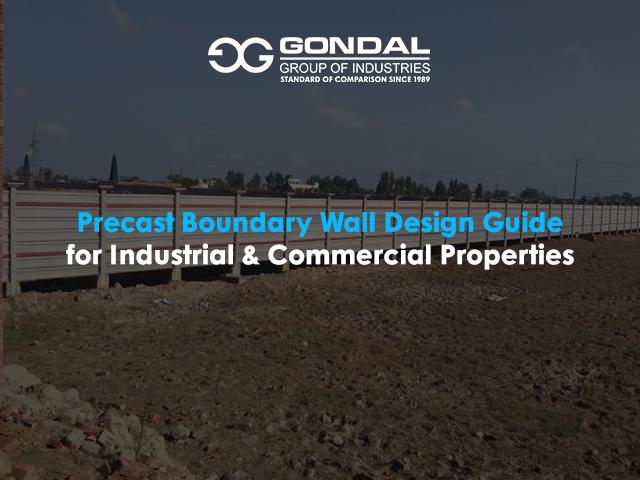
Precast concrete is well-suited for large-scale applications such as industrial facilities, warehouses, bridges, and boundary walls. Its ability to handle heavy loads and provide durable structures makes it a reliable choice for demanding projects.
In Pakistan, where infrastructure development is expanding rapidly, precast solutions are helping meet the need for efficient and scalable construction methods.
Sustainability and Resource Efficiency
Sustainability is becoming increasingly important in construction. Precast concrete supports environmentally responsible practices by reducing material waste and optimizing resource usage. Controlled production processes also improve energy efficiency compared to traditional on-site methods.
By minimizing waste and improving efficiency, precast concrete contributes to more sustainable construction practices across the industry.
The Future of Construction in Pakistan
As the demand for faster and more efficient building methods continues to grow, precast concrete is positioned to play a central role in the future of construction in Pakistan. Its combination of speed, quality, and cost-effectiveness makes it an attractive option for developers and contractors.
Building Faster with Reliable Solutions
Precast concrete is transforming how construction projects are executed by offering a faster, more efficient approach without compromising structural performance. With advanced manufacturing capabilities and a focus on quality, Gondal Group of Industries supports modern construction needs by delivering precast solutions that enable faster project completion and long-term reliability.