
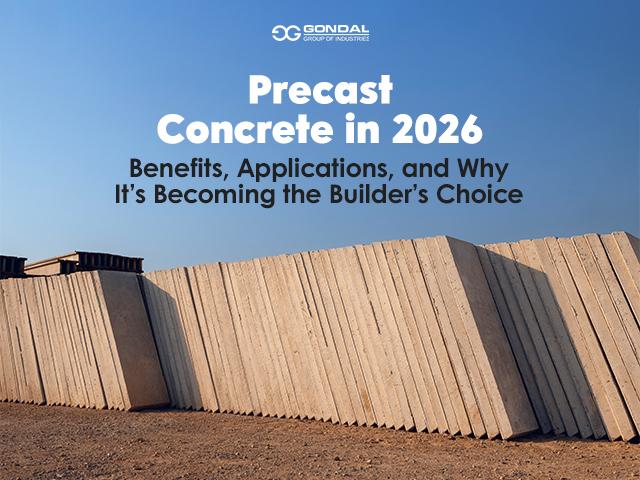
The construction industry is evolving rapidly, and precast concrete is playing a central role in shaping modern building practices. As projects demand faster delivery, higher quality, and better cost control, precast concrete has become a preferred solution for builders and developers in 2026. Manufactured in controlled environments and delivered ready for installation, precast systems are redefining efficiency across industrial, commercial, and infrastructure projects.
What Is Precast Concrete?
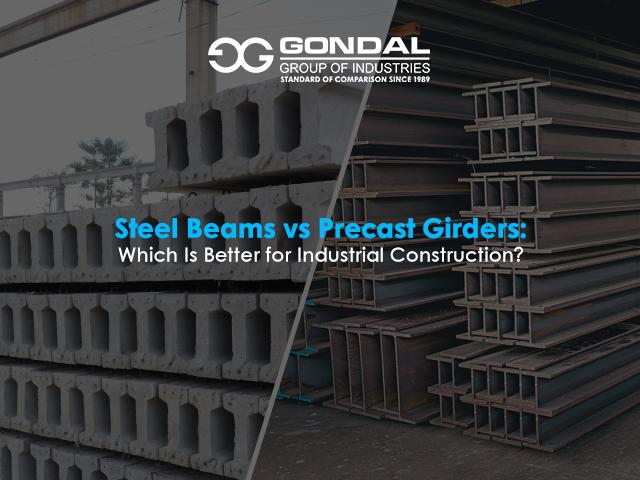
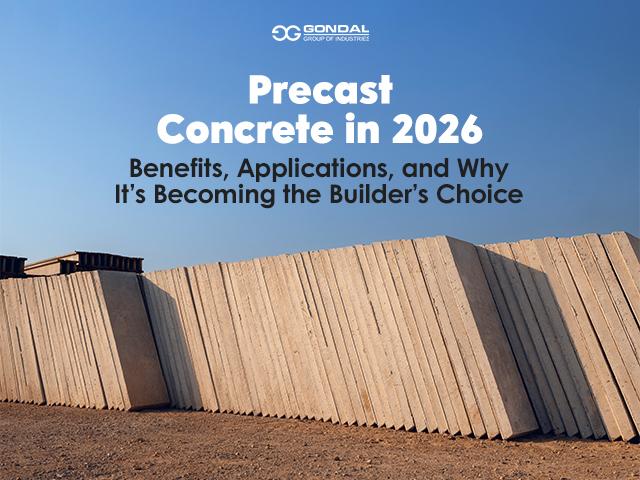
Precast concrete consists of structural components that are cast and cured in a factory before being transported to the construction site. Unlike traditional on-site concrete pouring, precast elements are produced under strict quality standards, ensuring consistency and reliability. Common precast components include beams, columns, slabs, boundary walls, and structural panels used in a wide range of construction applications.
Faster Project Completion
One of the most important advantages of precast concrete is speed. While foundations and site preparation are underway, precast components can be manufactured simultaneously. This parallel workflow significantly shortens construction timelines. Once delivered to the site, components are installed quickly using cranes, allowing projects to progress without delays caused by formwork, curing, or weather interruptions.
Improved Quality and Precision
Factory-controlled production allows for precise material ratios, proper curing conditions, and rigorous quality checks. This level of control results in uniform strength, durability, and surface finish across all components. Builders benefit from reduced rework, fewer defects, and predictable performance, which are critical factors in large-scale construction projects.
Reduced Dependence on Weather Conditions
Weather-related delays are a major challenge in conventional construction. Rain, extreme heat, or humidity can disrupt on-site concrete work and compromise quality. Precast manufacturing minimizes this risk by moving most concrete production indoors. As a result, project schedules become more reliable and less vulnerable to environmental disruptions.
Cost Efficiency Over the Project Lifecycle
Although precast concrete may involve higher initial planning, it often leads to lower overall project costs. Reduced labor requirements, faster completion, and minimal material waste contribute to significant savings. Early project delivery also allows facilities to become operational sooner, improving return on investment for developers and owners.
Wide Range of Applications in 2026
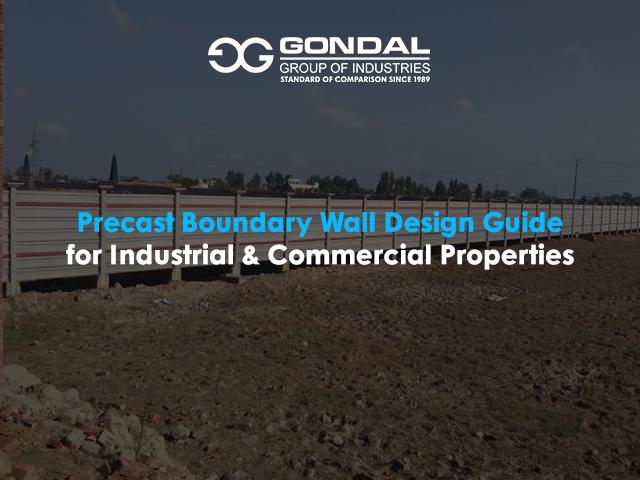
In 2026, precast concrete is widely used across industrial facilities, warehouses, commercial buildings, residential developments, and infrastructure projects. Its adaptability allows it to support large clear spans, heavy loads, and modular construction designs. Boundary walls, floor systems, and structural frameworks benefit from the strength and durability that precast solutions provide.
Sustainability and Environmental Benefits
Sustainability is becoming a major priority in construction, and precast concrete supports environmentally responsible building practices. Controlled production reduces material waste, while optimized designs lower raw material consumption. Many manufacturers also incorporate recycled materials and efficient curing processes, helping reduce the overall carbon footprint of construction projects.
Why Builders Are Choosing Precast Concrete
Builders in 2026 are choosing precast concrete because it delivers speed, quality, and long-term reliability. The ability to meet tight deadlines without compromising structural integrity makes it an ideal solution for modern construction demands. With reduced on-site labor, improved safety, and predictable outcomes, precast concrete aligns with the needs of today’s builders.
Supporting Modern Construction with Precast Solutions
As construction continues to advance, precast concrete stands out as a future-ready solution. For manufacturers like Gondal Group of Industries, delivering high-quality precast concrete products supports faster, safer, and more efficient construction. By combining innovation with proven engineering, precast concrete continues to shape the future of building in 2026 and beyond.