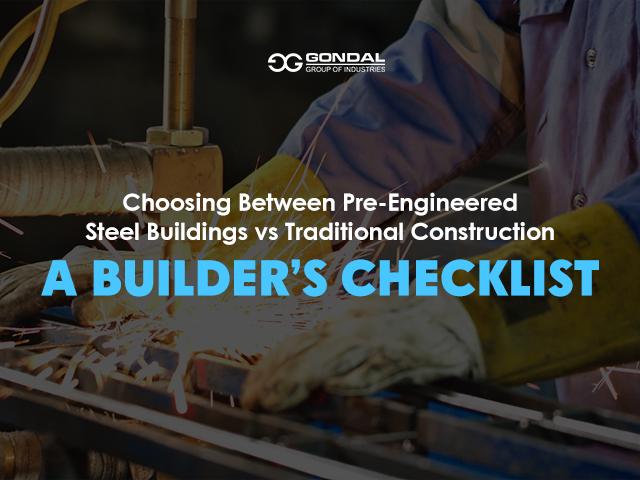

Selecting the right construction method is one of the most important decisions builders and developers face. With increasing pressure to complete projects faster, control costs, and ensure long-term performance, many are weighing the benefits of pre-engineered steel buildings against traditional construction methods. Understanding the key differences between these approaches helps builders make informed decisions based on project requirements.
Understanding Pre-Engineered Steel Buildings
Pre-engineered steel buildings are manufactured in factory-controlled environments where structural components are designed, fabricated, and prepared for quick assembly on-site. These buildings use pre-designed frames, roof systems, and wall panels that are engineered to meet specific load and performance requirements. On-site construction primarily involves assembling components rather than fabricating them from scratch.
Understanding Traditional Construction Methods
Traditional construction typically involves on-site fabrication using materials such as reinforced concrete, masonry, and steel. While this approach offers design flexibility, it often requires longer timelines due to sequential processes such as formwork, curing, and finishing. Weather conditions and labor availability can also impact project schedules and costs.
Project Timeline and Speed of Execution
Speed is a major factor when comparing construction methods. Pre-engineered steel buildings allow for parallel workflows, where site preparation and manufacturing occur simultaneously. This significantly reduces overall construction time. Traditional construction follows a linear process, which can extend project timelines and delay occupancy or operations.
Cost Control and Budget Predictability
Pre-engineered steel buildings offer better cost predictability due to standardized components and controlled manufacturing. Reduced material waste, lower labor requirements, and shorter construction durations help keep budgets in check. Traditional construction may involve variable costs related to labor, material wastage, and extended project durations, increasing the risk of budget overruns.
Design Flexibility and Future Expansion
Traditional construction provides greater freedom for complex architectural designs. However, pre-engineered steel buildings are highly adaptable for industrial use, offering large clear spans, high ceilings, and modular layouts. They also allow for easier future expansion by adding bays or extending structures without major disruption.
Quality Control and Structural Reliability
Factory-controlled production ensures consistent quality in pre-engineered steel components. Precision engineering and standardized processes reduce the risk of errors and rework. In traditional construction, quality can vary depending on workmanship, site conditions, and material handling, which may affect long-term performance.
Site Safety and Labor Requirements
Pre-engineered steel buildings reduce on-site labor needs and simplify construction activities. Fewer workers and shorter construction durations contribute to improved site safety. Traditional construction often involves higher labor intensity and longer exposure to on-site risks, increasing safety management challenges.
Maintenance and Long-Term Performance
Steel buildings are designed for durability and require minimal maintenance when properly protected. Their structural integrity remains consistent over time. Traditional structures may require ongoing maintenance related to cracking, corrosion, or material degradation, depending on environmental exposure and material quality.
Making the Right Choice for Your Project
Choosing between pre-engineered steel buildings and traditional construction depends on factors such as project timeline, budget, design needs, and long-term objectives. For industrial and commercial projects where speed, efficiency, and scalability are priorities, pre-engineered steel buildings offer a practical solution. Traditional construction may be more suitable for projects requiring complex architectural detailing.
Building Smarter for Modern Construction Needs
As construction demands evolve, builders are increasingly turning to pre-engineered steel buildings for their efficiency and reliability. With the right evaluation and planning, selecting the appropriate construction method ensures long-term value and project success. Gondal Group of Industries supports modern construction by delivering engineered solutions that help builders meet today’s performance and efficiency expectations.