
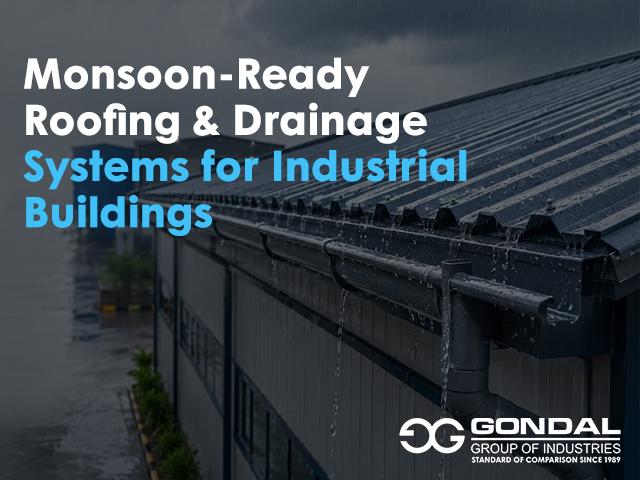
Pakistan’s monsoon season brings heavy rainfall, strong winds, and prolonged moisture exposure that can put industrial buildings at risk. For factories, warehouses, logistics centers, and manufacturing facilities, inadequate roofing and drainage systems can lead to leaks, structural damage, operational disruptions, and costly repairs.
Preparing industrial buildings for the monsoon season requires more than simply installing a roof. It involves selecting durable roofing materials, designing efficient drainage systems, and implementing preventive maintenance practices that protect the facility throughout the year.
Why Monsoon Preparedness Matters
Industrial facilities house valuable equipment, inventory, and production systems that can be severely affected by water intrusion. Even minor roof leaks can damage machinery, disrupt operations, and create safety hazards for workers.
A monsoon-ready roofing and drainage system helps:
- Prevent roof leaks and water damage
- Protect machinery and inventory
- Reduce maintenance costs
- Improve building lifespan
- Ensure uninterrupted business operations
Investing in proper roofing and drainage solutions is often far more cost-effective than dealing with emergency repairs and operational downtime.
Choosing the Right Roofing Material
The first step toward monsoon protection is selecting a roofing material capable of withstanding prolonged exposure to rain and humidity.
Modern roofing materials such as uPVC roofing sheets have become increasingly popular for industrial applications because they are resistant to corrosion, moisture, and chemical exposure. Unlike conventional metal roofing, uPVC does not rust, making it particularly suitable for environments that experience heavy rainfall.
When evaluating roofing materials, builders should prioritize:
- Water resistance
- Corrosion resistance
- Structural durability
- UV protection
- Low maintenance requirements
The right material can significantly reduce the risk of roofing failures during severe weather conditions.
Designing Effective Roof Slopes
One of the most common causes of industrial roof leaks is poor drainage resulting from inadequate roof design.
Proper roof slopes ensure that rainwater flows quickly toward drainage points instead of accumulating on the roof surface. Standing water can place excessive stress on roofing materials and increase the likelihood of leaks.
Industrial roofing systems should be designed with sufficient slope to support efficient water runoff while minimizing water pooling during heavy rain events.
Installing High-Capacity Gutter Systems
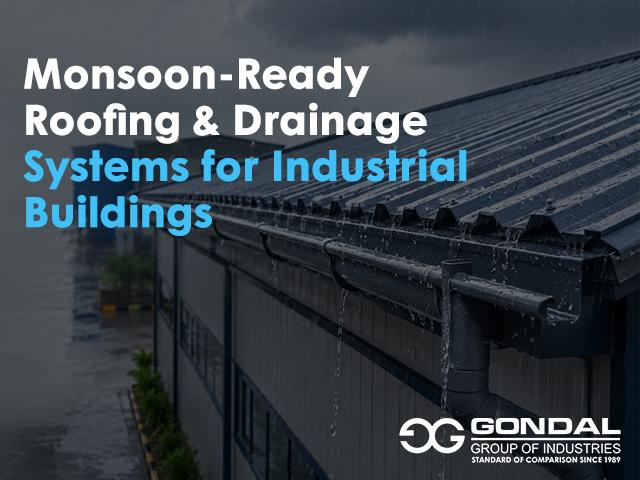
Gutters play a critical role in managing rainwater during the monsoon season.
Industrial buildings often have large roof areas that collect significant volumes of water during storms. Undersized or poorly designed gutter systems can overflow, allowing water to enter the building or damage surrounding structures.
A monsoon-ready gutter system should:
- Accommodate peak rainfall volumes
- Direct water efficiently toward downspouts
- Resist corrosion and blockage
- Be easy to inspect and maintain
Proper gutter sizing is essential for preventing drainage failures during heavy rainfall.
Optimizing Downspouts and Water Discharge
Downspouts work alongside gutters to transport water safely away from the building.
Industrial facilities should include sufficient downspouts positioned strategically around the structure. Water discharge points should direct runoff away from foundations, loading areas, and operational spaces to prevent flooding and soil erosion.
In areas with exceptionally heavy rainfall, additional drainage channels may be necessary to manage runoff effectively.
Preventing Water Ponding on Roofs
Water ponding occurs when rainwater remains on a roof for extended periods after a storm.
This issue can lead to:
- Roof deterioration
- Increased structural loading
- Leakage risks
- Accelerated material degradation
Preventing ponding requires proper roof design, adequate drainage outlets, and regular maintenance to ensure that water pathways remain unobstructed.
Routine inspections can identify low spots or drainage problems before they develop into serious concerns.
Protecting Roof Joints and Penetrations
Roof penetrations such as vents, skylights, ducts, and utility connections are common entry points for water.
Modern roofing systems should incorporate high-quality flashing and sealing materials around these areas to prevent leaks. Regular inspections are particularly important before the monsoon season begins.
Properly sealed joints help maintain roof integrity and reduce maintenance requirements throughout the year.
The Role of Preventive Maintenance
Even the most advanced roofing systems require routine maintenance to perform effectively.
Industrial facility managers should conduct inspections before the monsoon season to identify potential issues such as:
- Blocked gutters
- Damaged roofing sheets
- Loose fasteners
- Worn sealants
- Cracked flashing
Addressing these problems early can prevent costly repairs and reduce the risk of operational disruptions during periods of heavy rainfall.
Integrating Rainwater Management Solutions
Many modern industrial facilities are now incorporating rainwater management systems into their building designs.
Rainwater harvesting systems can collect and store runoff from industrial roofs for non-potable uses such as cleaning, landscaping, and operational processes. This approach not only improves water management but also supports sustainability initiatives.
When combined with effective drainage infrastructure, rainwater harvesting can enhance the overall efficiency of industrial facilities.
Building Long-Term Resilience
Monsoon preparedness is not simply about surviving one rainy season. It is about creating a building that remains durable and reliable for decades.
Investing in quality roofing materials, efficient drainage systems, and regular maintenance provides long-term protection against weather-related damage while reducing operational risks and maintenance costs.
Conclusion
Monsoon-ready roofing and drainage systems are essential for protecting industrial buildings from the challenges of heavy rainfall, moisture exposure, and water-related damage. Proper material selection, effective roof design, high-capacity drainage systems, and preventive maintenance all contribute to long-term building performance.
As industrial development continues to grow across Pakistan, companies like Gondal Group of Industries help support resilient construction through advanced roofing solutions designed to withstand demanding environmental conditions while delivering lasting value.