
Material selection is one of the most important decisions in any construction project, directly influencing not only initial costs but also long-term maintenance expenses. In Pakistan, where buildings are exposed to extreme heat, dust, humidity, and seasonal rains, choosing the right materials can significantly reduce repair frequency and operational costs. Understanding how different materials behave over time helps builders and property owners make cost-effective decisions.
The Link Between Materials and Maintenance
Every construction material responds differently to environmental conditions and usage. Some materials require frequent upkeep to maintain performance, while others are designed to resist wear and reduce maintenance needs. Factors such as corrosion resistance, durability, and weather tolerance determine how often repairs or replacements are required.
Buildings constructed with low-quality or unsuitable materials often experience issues such as cracks, leaks, rust, or surface damage. These problems not only increase maintenance costs but can also disrupt operations in industrial and commercial facilities.
Durability and Lifespan
Durable materials tend to have higher upfront costs but lower maintenance expenses over time. Materials that can withstand environmental stress without degrading reduce the need for frequent repairs.
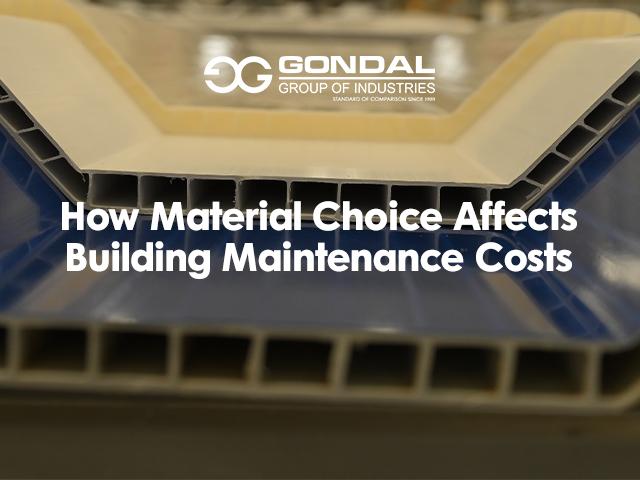
For example, concrete structures offer strength but may require periodic maintenance to address cracks or waterproofing. On the other hand, modern materials such as uPVC are designed to resist corrosion and environmental damage, leading to longer service life with minimal upkeep.
Choosing materials with proven durability ensures long-term savings and consistent building performance.
Resistance to Weather Conditions
Pakistan’s climate can be harsh on construction materials. High temperatures can cause expansion and contraction, while humidity and rain can lead to corrosion or water damage.
Materials that are not resistant to these conditions may require regular maintenance. Metal roofing, for instance, may need repainting or anti-corrosion treatments over time. In contrast, corrosion-resistant materials reduce maintenance frequency and associated costs.
Selecting weather-resistant materials helps prevent damage and ensures that buildings remain functional with minimal intervention.
Impact of Installation Quality
Even the best materials can lead to high maintenance costs if they are not installed properly. Poor installation can result in gaps, weak joints, and structural inconsistencies that require frequent repairs.
Working with experienced contractors and using high-quality materials ensures proper installation and reduces the likelihood of future issues. Good workmanship complements material performance and enhances overall building durability.
Maintenance Requirements by Material Type
Different materials come with varying maintenance needs. Metal structures may require regular inspections and protective treatments. Concrete elements may need sealing or repair to prevent cracks and water ingress. Traditional materials often involve ongoing upkeep to maintain their performance.
Modern materials such as uPVC offer lower maintenance requirements due to their resistance to corrosion, moisture, and environmental damage. This makes them a practical choice for industrial and commercial buildings where maintenance disruptions can affect operations.
Energy Efficiency and Operating Costs
Material choice also affects energy efficiency, which is closely linked to maintenance and operational expenses. Materials with good insulation properties help regulate indoor temperatures, reducing the load on cooling systems.
Lower energy consumption not only reduces utility costs but also minimizes wear and tear on equipment, indirectly lowering maintenance requirements. Energy-efficient materials contribute to overall cost savings over the building’s lifecycle.
Lifecycle Cost vs Initial Cost
Focusing solely on initial construction cost can lead to higher expenses in the long run. Materials that appear affordable upfront may require frequent repairs, replacements, or maintenance, increasing total ownership cost.
Lifecycle cost analysis considers both initial investment and long-term expenses. Materials with higher durability and lower maintenance needs often provide better value over time, even if their upfront cost is slightly higher.
Suitability for Industrial and Commercial Use
In industrial and commercial environments, maintenance costs can have a direct impact on operations. Downtime caused by repairs can disrupt production, storage, or logistics activities.
Selecting materials that require minimal maintenance helps ensure uninterrupted operations. Durable and low-maintenance solutions are particularly important for warehouses, factories, and large-scale facilities.
Making Smarter Material Choices
Choosing the right materials requires a balance between cost, performance, and long-term reliability. Builders should consider environmental conditions, usage requirements, and maintenance expectations when selecting materials.
By prioritizing durability and efficiency, property owners can reduce maintenance costs and improve building performance over time.
Building for Long-Term Efficiency
Material choice plays a crucial role in determining the overall cost and performance of a building. Investing in high-quality, low-maintenance materials leads to long-term savings and fewer operational disruptions.
With modern construction solutions and industry expertise, Gondal Group of Industries supports projects by providing materials designed for durability, efficiency, and reduced maintenance, helping businesses achieve long-term value.