
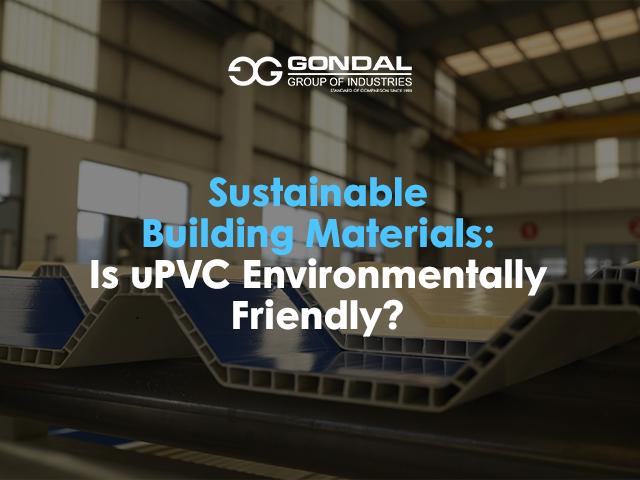
Sustainability has become a major focus in modern construction as industries work to reduce environmental impact while maintaining performance and durability. Builders and developers in Pakistan are increasingly exploring materials that support long-term efficiency and responsible resource use. uPVC has gained popularity in roofing and cladding applications, but an important question remains: is it truly an environmentally friendly building material?
Understanding uPVC in Construction
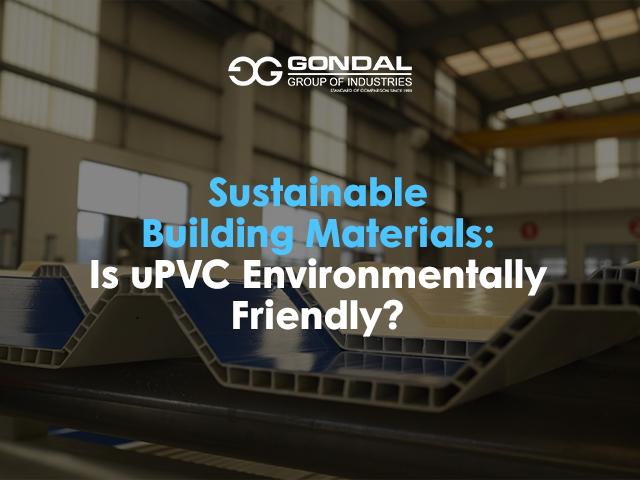
uPVC, or unplasticized polyvinyl chloride, is a rigid and durable material widely used in construction for roofing sheets, pipes, and structural applications. Unlike traditional materials such as metal or wood, uPVC is engineered to resist corrosion, moisture, and chemical exposure. Its long lifespan and low maintenance requirements make it a practical choice for industrial and commercial projects.
Durability and Long Service Life
One of the key environmental benefits of uPVC is its durability. Sustainable materials are not only defined by how they are produced but also by how long they last. uPVC roofing systems can perform for decades without significant degradation.
This long service life reduces the need for frequent replacements, which in turn lowers material consumption and waste generation over time. Fewer replacements mean fewer resources are used in manufacturing, transportation, and installation.
Energy Efficiency and Thermal Performance
uPVC contributes to energy efficiency in buildings by providing better thermal insulation compared to many traditional roofing materials. It helps reduce heat transfer into buildings, which is particularly important in Pakistan’s high-temperature regions.
Lower indoor temperatures reduce reliance on air conditioning systems, leading to decreased energy consumption. Improved energy efficiency not only lowers operational costs but also reduces the carbon footprint of buildings.
Resistance to Corrosion and Environmental Damage
Unlike metal roofing, uPVC does not rust or corrode, even in humid or industrial environments. This eliminates the need for protective coatings, repainting, or chemical treatments that can have environmental impacts.
Its resistance to environmental damage also reduces maintenance requirements, further minimizing the use of additional materials and resources throughout its lifespan.
Recyclability and Material Reuse
uPVC is recyclable, which is an important factor in sustainable construction. At the end of its service life, uPVC materials can be reprocessed and reused in new products. This supports a circular approach to construction materials, reducing waste and conserving raw resources.
While recycling infrastructure varies by region, the ability to reuse uPVC contributes to its environmental value compared to materials that cannot be easily recycled.
Reduced Material Usage and Lightweight Design
uPVC is lightweight compared to materials such as concrete or traditional roofing systems. This reduces the amount of structural support required, which can lower the use of additional construction materials.
Lighter materials also reduce transportation energy and fuel consumption, contributing to a lower overall environmental impact during construction.
Manufacturing Considerations
Like any manufactured material, uPVC production involves energy use and raw materials. However, modern manufacturing processes are becoming more efficient and environmentally responsible. Improved production techniques aim to reduce emissions and optimize resource usage.
When evaluated over its entire lifecycle, including durability and reduced maintenance, uPVC can offer a favorable environmental profile compared to many traditional materials.
Balancing Sustainability with Practical Performance
Sustainability in construction requires balancing environmental impact with performance, cost, and durability. uPVC provides a combination of these factors by offering long-term reliability, low maintenance, and energy efficiency.
While no material is completely without environmental impact, uPVC stands out as a practical option that supports sustainable construction goals when used appropriately.
A Modern Approach to Sustainable Construction
As the construction industry in Pakistan continues to evolve, materials that offer both performance and environmental benefits are becoming increasingly important. uPVC is helping shape modern building practices by providing durable and efficient solutions for industrial and commercial projects.
Building for a Sustainable Future
Choosing sustainable building materials is essential for reducing environmental impact and improving long-term efficiency. uPVC offers several advantages, including durability, energy efficiency, and recyclability, making it a strong contender for environmentally conscious construction.
With advanced material solutions and a focus on innovation, Gondal Group of Industries supports the development of sustainable construction practices by providing reliable uPVC products that meet modern industry standards.