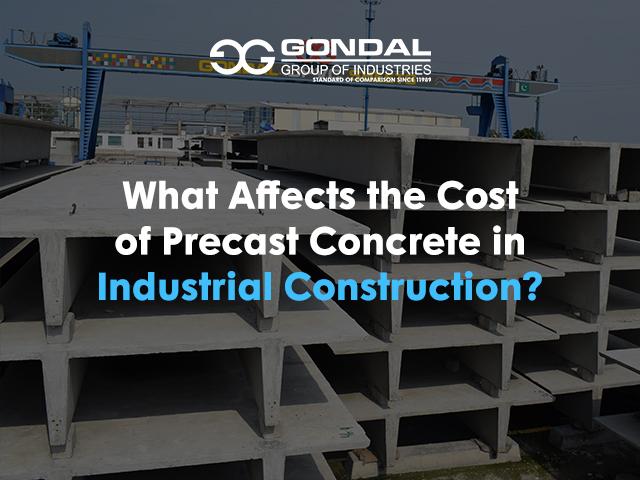

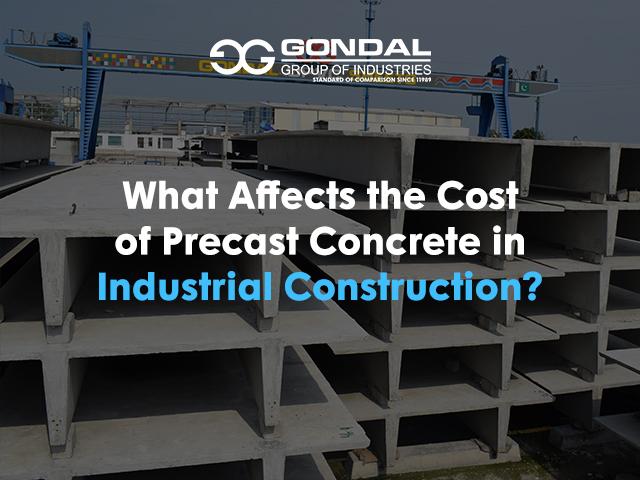
Precast concrete has become one of the most efficient construction solutions for industrial projects in Pakistan, offering faster installation, consistent quality, and long-term durability. While many developers recognize its benefits, understanding the factors that influence the cost of precast concrete is essential for effective project planning and budgeting. The total cost extends beyond the price of the concrete itself and includes manufacturing, transportation, installation, and project-specific requirements.
By evaluating these factors early, builders and developers can make informed decisions that maximize value without compromising structural performance.
1. Project Size and Volume Requirements
One of the biggest factors affecting the cost of precast concrete is the overall scale of the project. Large industrial developments typically require a higher volume of precast components, such as columns, beams, wall panels, slabs, and boundary walls.
Higher production volumes often improve manufacturing efficiency, reducing the cost per unit. Smaller projects, on the other hand, may have higher per-unit costs because production setup, mould preparation, and logistics are spread across fewer components.
Planning the project efficiently and standardizing component designs can help optimize production costs.
2. Type and Complexity of Precast Elements
Not all precast concrete elements are manufactured in the same way. Simple products such as boundary walls or standard slabs generally require less time and fewer resources than highly engineered structural components.
Complex elements with custom dimensions, embedded fittings, architectural finishes, or heavy reinforcement require additional engineering, specialized moulds, and more detailed manufacturing processes. As complexity increases, production costs also rise.
Choosing standardized designs wherever possible can improve efficiency and reduce manufacturing expenses.
3. Concrete Grade and Material Quality
The quality of raw materials used in precast production has a direct impact on cost and performance. High-strength concrete mixes, premium aggregates, specialized admixtures, and corrosion-resistant reinforcement may increase manufacturing costs but also improve durability and structural reliability.
For industrial buildings exposed to heavy loads or challenging environmental conditions, investing in higher-quality materials often results in lower maintenance costs and a longer service life.
Balancing material quality with project requirements is essential for achieving the best long-term value.
4. Manufacturing Technology and Quality Control
Modern precast concrete manufacturing facilities rely on automated batching systems, precision moulds, controlled curing environments, and rigorous quality inspections. These advanced production methods help ensure consistent strength, dimensional accuracy, and reliable performance.
Although high-quality manufacturing processes may contribute to the initial cost, they significantly reduce defects, rework, and maintenance over the building's lifespan. Builders should consider the long-term benefits of factory-controlled production rather than focusing solely on upfront pricing.
5. Transportation and Site Location
Unlike cast-in-place concrete, precast elements must be transported from the manufacturing facility to the construction site. Transportation costs depend on the size, weight, and quantity of components, as well as the distance between the factory and the project location.
Large structural elements may require specialized trailers or lifting equipment, increasing logistics costs. Careful planning of delivery schedules and selecting a manufacturer with efficient distribution capabilities can help control transportation expenses.
6. Installation Requirements
Installation is another important factor that affects the overall cost of precast concrete construction. Larger and heavier components often require cranes, lifting equipment, and skilled installation teams.
Projects with limited site access or complex layouts may require additional planning and specialized equipment, increasing installation costs. However, because precast elements arrive ready for assembly, installation is generally much faster than traditional construction methods, reducing labor costs and shortening project timelines.
7. Design Standardization
Standardized precast designs are typically more cost-effective than fully customized solutions. Reusing moulds and producing identical components improves manufacturing efficiency and reduces production time.
When project requirements allow, using standard component sizes can help minimize engineering costs and speed up both manufacturing and installation. Custom architectural features or unique structural designs may provide specific project benefits but usually come at a higher cost.
8. Project Timeline and Production Scheduling
Construction schedules can also influence precast concrete costs. Projects requiring accelerated production or urgent delivery may involve additional manufacturing shifts or expedited logistics, increasing overall expenses.
Conversely, projects with well-planned schedules allow manufacturers to optimize production capacity, resulting in greater efficiency and more competitive pricing.
Early coordination between developers and manufacturers helps avoid unnecessary delays and additional costs.
9. Lifecycle Value Beyond Initial Cost
While initial pricing is an important consideration, the true value of precast concrete lies in its long-term performance. Durable components manufactured under controlled conditions require less maintenance, offer greater structural reliability, and reduce repair costs throughout the building's lifespan.
When evaluating precast concrete, builders should consider lifecycle costs rather than focusing solely on the purchase price. Faster construction, reduced labor, improved quality, and lower maintenance often make precast concrete the more economical choice over time.
10. Choosing the Right Precast Partner
Selecting an experienced precast manufacturer is just as important as selecting the right material. A reliable supplier provides quality-controlled production, engineering support, efficient logistics, and dependable installation guidance.
Working with an established manufacturer helps ensure that components meet project specifications while reducing the risk of delays, defects, and unexpected expenses.
Conclusion
The cost of precast concrete in industrial construction is influenced by multiple factors, including project size, component complexity, material quality, manufacturing processes, transportation, installation, and scheduling. Understanding these variables allows developers to make informed decisions that balance upfront investment with long-term value.
As industrial construction continues to expand across Pakistan, precast concrete remains one of the most efficient building solutions for achieving faster project completion, superior quality, and lasting durability. With advanced manufacturing capabilities and a commitment to quality, Gondal Group of Industries provides precast concrete solutions that help builders optimize performance while controlling construction costs.