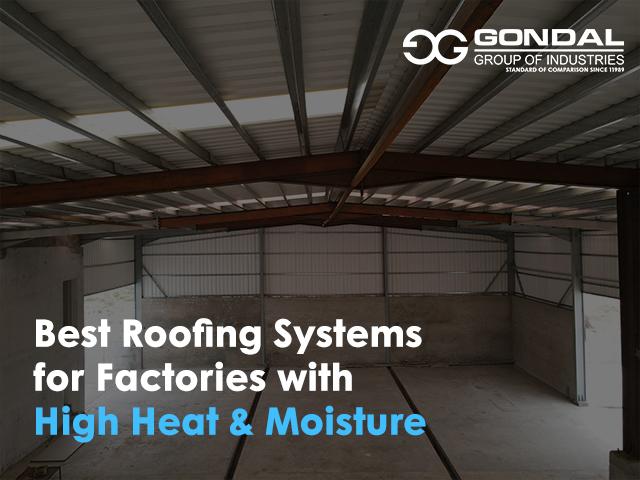

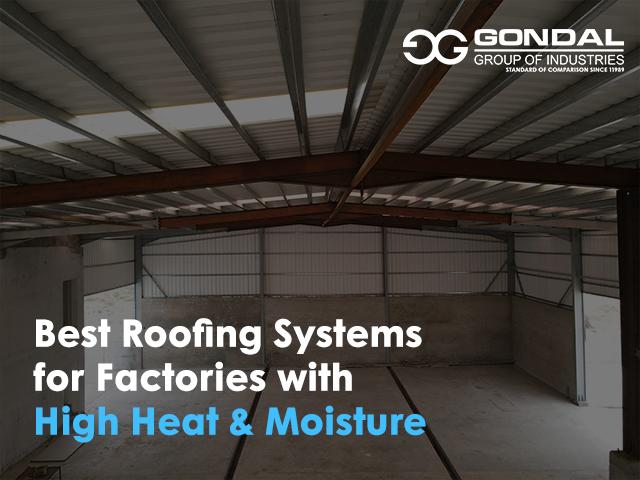
Factories operating in Pakistan’s industrial zones often face a difficult combination of extreme heat, humidity, and moisture exposure. These conditions place constant stress on roofing systems, increasing the risk of corrosion, leaks, higher cooling costs, and premature material failure. Selecting the right roofing solution is therefore not just a construction decision—it is an operational investment that affects maintenance, energy efficiency, and long-term reliability.
For manufacturing plants, warehouses, food processing facilities, and chemical industries, the ideal roofing system must manage both temperature and moisture effectively while requiring minimal maintenance.
Why Heat and Moisture Create Roofing Challenges
Industrial roofs are exposed to intense solar radiation for most of the year. In many parts of Pakistan, roof surface temperatures can become significantly higher than the surrounding air temperature, causing materials to expand and contract repeatedly. At the same time, humidity, condensation, and seasonal rainfall can penetrate weak joints and accelerate corrosion.
A roofing system that performs well in dry conditions may struggle in a humid industrial environment. The most common problems include:
-
Rust and corrosion in metal roofing systems
-
Water leakage through joints and fasteners
-
Heat buildup that increases cooling costs
-
Condensation damage inside production areas
-
Frequent maintenance and repair requirements
Modern industrial roofing systems are designed specifically to address these challenges.
uPVC Roofing: The Leading Choice for Heat & Moisture
For factories exposed to both high temperatures and humid conditions, uPVC roofing has become one of the most reliable solutions available.
Unlike conventional metal sheets, uPVC does not rust or corrode when exposed to moisture, chemicals, or industrial pollutants. It also offers better thermal insulation, helping reduce heat transfer into the building.
Why does uPVC perform well
-
Excellent resistance to corrosion and humidity
-
Lower heat absorption than many metal roofs
-
Minimal maintenance requirements
-
Long service life in industrial environments
-
Suitable for food processing, chemical, and manufacturing facilities
Because uPVC remains stable under both heat and moisture exposure, it is increasingly used in factories that require reliable long-term performance with limited maintenance downtime.
Insulated Metal Roofing Systems
Metal roofing remains common in industrial construction because of its structural strength and wide availability. However, in high-heat environments, standard metal sheets can transfer significant heat into the building.
To improve performance, many factories now use insulated metal roofing systems that combine steel sheets with insulation layers. These systems offer:
-
Improved thermal performance
-
Reduced indoor heat buildup
-
Better condensation control
-
Strong structural capacity for large-span buildings
Proper coatings and maintenance remain essential because metal surfaces can still be vulnerable to corrosion in humid or coastal environments.
K-Span Roofing for Large Industrial Facilities
K-Span roofing systems are widely used for warehouses, logistics centers, and large industrial buildings that require clear-span interiors.
The self-supporting arch design eliminates the need for internal columns and provides efficient water drainage during heavy rainfall. When combined with appropriate insulation and ventilation systems, K-Span structures can perform effectively in hot and humid conditions.
These systems are particularly valuable for facilities that need large uninterrupted floor areas and rapid construction timelines.
The Importance of Thermal Insulation
Even the best roofing material benefits from proper insulation.
In factories with high heat exposure, insulation helps reduce heat transfer through the roof and lowers cooling energy consumption. It also helps control condensation by maintaining more stable interior temperatures.
Common industrial insulation solutions include:
-
Polyurethane (PU) insulation panels
-
Polyisocyanurate (PIR) insulation systems
-
Reflective foil insulation layers
-
Multi-layer roofing assemblies
Combining durable roofing materials with high-quality insulation usually delivers the best long-term performance.
Ventilation Matters as Much as Roofing
A roof alone cannot solve every heat and moisture problem. Effective ventilation is essential for removing hot air and reducing humidity inside industrial buildings.
Factories should consider roof vents, ridge ventilation systems, and strategically placed airflow openings to improve air circulation. Good ventilation reduces condensation, protects equipment, and creates a more comfortable working environment.
Comparing the Best Options
|
Roofing System |
Heat Control |
Moisture Resistance |
Maintenance |
|---|---|---|---|
|
uPVC Roofing |
Excellent |
Excellent |
Low |
|
Insulated Metal Roofing |
Good |
Moderate to Good |
Moderate |
|
K-Span with Insulation |
Good |
Good |
Low to Moderate |
|
Standard Metal Sheets |
Fair |
Fair |
Higher |
Choosing the Right System for Your Factory
The best roofing system depends on the facility’s operating conditions, budget, and long-term maintenance strategy. For factories exposed to continuous heat, humidity, and industrial pollutants, corrosion-resistant materials and proper insulation should be top priorities.
Many industrial operators are now moving toward uPVC roofing systems because they provide a strong combination of thermal efficiency, moisture resistance, durability, and low maintenance. When paired with effective ventilation and drainage design, these systems help protect both the building structure and daily operations.
Conclusion
Factories operating in high-heat and high-moisture environments require roofing systems that can withstand demanding conditions without frequent repairs. Modern solutions such as uPVC roofing, insulated metal systems, and properly designed K-Span structures offer significant advantages over conventional roofing materials.