
Speed, efficiency, and quality are critical factors in today’s construction industry. With increasing pressure to deliver projects faster without compromising structural integrity, pre-cast concrete has emerged as a preferred construction method across industrial, commercial, and infrastructure projects. For manufacturers like Gondal Group of Industries, pre-cast concrete offers a controlled, reliable, and time-saving solution that aligns with modern construction demands.
What Is Pre-Cast Concrete?
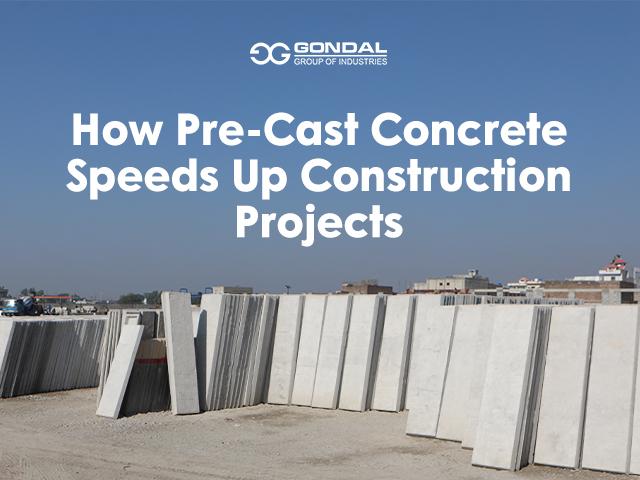
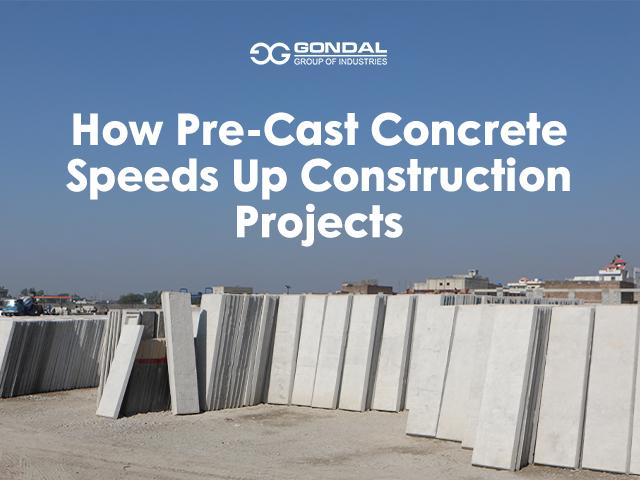
Pre-cast concrete refers to concrete elements that are manufactured in a controlled factory environment and then transported to the construction site for installation. Unlike traditional cast-in-place concrete, which requires on-site formwork, curing, and extended labor involvement, pre-cast components are produced in advance and delivered ready for use. Common pre-cast elements include girders, slabs, boundary walls, and structural panels.
Reduced On-Site Construction Time
One of the biggest advantages of pre-cast concrete is the significant reduction in on-site construction time. Since components are produced off-site while groundwork and foundation activities take place, multiple phases of construction can run simultaneously. This parallel workflow shortens overall project timelines and allows structures to be assembled quickly once the site is ready. Installation often takes days instead of weeks, enabling faster project handover.
Consistent Quality and Controlled Production
Pre-cast concrete is manufactured under controlled factory conditions, ensuring consistent quality across all components. Factors such as material ratios, curing temperature, and strength testing are closely monitored, reducing the risk of defects or structural inconsistencies. This level of quality control is difficult to achieve in traditional on-site casting, where weather and site conditions can affect outcomes and cause delays.
Less Dependence on Weather Conditions
Weather-related disruptions are a common cause of construction delays. Rain, extreme temperatures, or high humidity can slow down or halt on-site concrete work. Pre-cast manufacturing minimizes this risk by shifting most concrete production indoors. As a result, project schedules become more predictable, and construction can proceed even during unfavorable weather conditions.
Faster Installation and Simplified Site Management
Pre-cast components are designed for quick and efficient installation. Cranes and lifting equipment place elements directly into position, eliminating the need for extensive formwork or prolonged curing on-site. This streamlined process reduces site congestion, lowers labor requirements, and improves overall safety. Cleaner and more organized construction sites also help contractors maintain better project control.
Cost Efficiency Through Time Savings
While the initial cost of pre-cast concrete may appear higher, the overall project cost is often lower due to reduced construction time and labor expenses. Faster completion means fewer overhead costs, earlier operational use of the building, and minimized risk of project overruns. For large-scale industrial and commercial developments, these time-related savings can be substantial.
Improved Structural Performance and Durability
Pre-cast concrete components are engineered to meet precise load and performance requirements. High-strength mixes, controlled curing, and rigorous testing contribute to durable structures with long service life. Reduced rework and maintenance further support faster project completion and long-term cost efficiency.
A Smarter Approach to Modern Construction
As construction timelines become tighter and project complexity increases, pre-cast concrete provides a smarter, more efficient alternative to traditional building methods. By reducing on-site work, improving quality, and enabling faster installation, pre-cast systems help developers and contractors meet deadlines without compromising performance. For Gondal Group of Industries, delivering high-quality pre-cast concrete solutions supports faster, safer, and more reliable construction outcomes across a wide range of projects.