
Industrial development today demands construction solutions that are fast, reliable, and cost-effective. As industries expand and operational needs evolve, traditional construction methods often struggle to meet tight timelines and budget constraints. Pre-engineered buildings have emerged as a practical solution for industrial use cases, offering efficiency, flexibility, and long-term performance. For industrial manufacturers and developers, pre-engineered systems align well with modern construction requirements.
What Are Pre-Engineered Buildings?
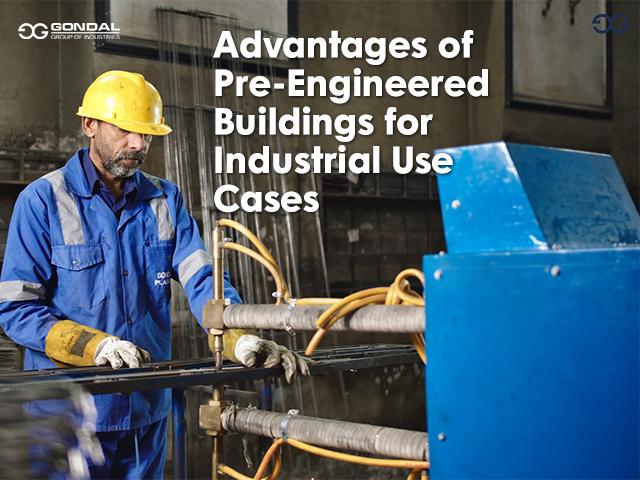
Pre-engineered buildings are structures designed, fabricated, and manufactured in a factory environment before being transported to the construction site for assembly. Structural components such as columns, beams, and roof systems are engineered to precise specifications, ensuring accuracy and consistency. On-site work primarily involves bolting components together, significantly reducing construction complexity.
Faster Construction Timelines
Speed is one of the most significant advantages of pre-engineered buildings. Since structural elements are manufactured off-site while site preparation and foundations are underway, project phases can progress in parallel. This approach reduces overall construction time and allows industrial facilities to become operational much faster compared to conventional construction methods.
Cost Predictability and Efficiency
Pre-engineered buildings offer better cost control due to standardized designs and efficient use of materials. Precise engineering minimizes material waste, while factory-controlled production reduces labor costs and rework. Shorter construction timelines also lower overhead expenses, making pre-engineered solutions financially attractive for industrial projects with strict budgets.
Design Flexibility for Industrial Needs
Industrial facilities often require large clear spans, high ceilings, and flexible layouts to accommodate machinery, storage, and workflow. Pre-engineered buildings are designed to meet these requirements with ease. They allow for customization in terms of building size, layout, ventilation, insulation, and future expansion, enabling businesses to adapt their facilities as operations grow.
Consistent Quality and Structural Reliability
Factory-controlled manufacturing ensures consistent quality across all structural components. Each element is produced using strict quality standards and tested for strength and durability before delivery. This level of control reduces the risk of construction errors and ensures that buildings meet safety and performance requirements throughout their lifecycle.
Reduced On-Site Labor and Safer Construction
Pre-engineered buildings significantly reduce on-site labor requirements. With most fabrication completed off-site, assembly becomes faster and more organized. Fewer workers and less on-site activity lower the risk of accidents and improve overall safety. Cleaner and more controlled construction sites also contribute to better project management.
Energy Efficiency and Sustainability Benefits
Pre-engineered buildings support energy-efficient design through proper insulation, optimized ventilation, and reflective roofing systems. Reduced material waste, efficient transportation of components, and faster construction timelines contribute to a lower environmental impact. These sustainability benefits are particularly valuable for industrial operations seeking to reduce energy consumption and operating costs.
Long-Term Durability and Low Maintenance
Designed to withstand heavy industrial use, pre-engineered buildings offer excellent durability and low maintenance requirements. High-quality materials and precise engineering result in structures that perform reliably over time. This reduces long-term repair costs and ensures uninterrupted industrial operations.
A Practical Solution for Industrial Growth
Pre-engineered buildings provide an efficient and future-ready solution for industrial development. By offering faster construction, cost efficiency, design flexibility, and reliable performance, they help industries meet growing demands without unnecessary delays. For companies like Gondal Group of Industries, pre-engineered building systems support scalable, durable, and efficient industrial infrastructure across diverse applications.